.png)
Cureus Conversations features research stories through the voices of authors, going beyond publication to create a profound effect on scientific research.
We interviewed Professor Guangbin Chen from the Second People's Hospital of Wuhu City. In January 2026, Professor Chen's team published a study in Cureus titled “Technical Refinements in Laparoscopic Transabdominal Preperitoneal Repair for Scrotal Hernia Using High Sac Transection and Internal Ring Closure.”
In this interview, Professor Chen will share the core ideas and main findings of this case, as well as the reasons for choosing to submit the paper to Cureus.

Interview translated from Simplified Chinese.
Q1: What is your main research focus? Could you briefly describe your clinical and research background?
I currently work in the Department of General Surgery/Hepatobiliary and Pancreatic Surgery at the Affiliated Wuhu Hospital of East China Normal University (Wuhu Second People's Hospital), where I serve as Associate Chief Physician, Associate Professor, and Master's Supervisor. In clinical practice, I have long been engaged in general surgery/hepatobiliary and pancreatic surgery, covering minimally invasive treatment of gallstones and bile duct stones, surgical and comprehensive treatment of benign and malignant hepatobiliary and pancreatic diseases, and the diagnosis and treatment of inguinal hernias.
In terms of scientific research, my main interests focus on two dimensions: first, the refinement and clinical promotion of minimally invasive surgical techniques, aiming to further reduce surgical trauma and optimize postoperative recovery for patients while ensuring safety, such as in the fields of gallstones, pancreas, and hernias; second, research on the mechanisms of surgical complications and prevention and control strategies, such as a systematic exploration of problems like bile duct injury, pancreatic fistula, postoperative serous edema after hernia repair, and chronic pain.
This study, published in Cureus, represents a milestone achievement for our team in refining laparoscopic hernia repair techniques.
Q2: In January 2026, you recently published “Technical Refinements in Laparoscopic Transabdominal Preperitoneal Repair for Scrotal Hernia Using High Sac Transection and Internal Ring Closure” in Cureus. Could you please briefly introduce the background and main findings of this study?
Inguinal scrotal hernia is a more complex subtype of inguinal hernia. Its hernial sac is often huge and extends deep into the scrotum. The traditional laparoscopic surgical strategy, that is, to completely dissect and reduce the hernial sac along the spermatic cord, has potential risks such as complicated operation, high risk of bleeding, and damage to the spermatic cord structure.
The core idea of this study is to organically integrate the techniques of high transverse transection of the hernia sac and anatomical narrowing of the internal inguinal ring in laparoscopic transabdominal repair (TAPP). Specifically:
- High transverse transection of the hernia sac: The hernia sac is transected high at the neck of the hernia sac, while the distal part of the hernia sac is deliberately preserved in situ, thereby avoiding excessive dissection of the spermatic cord and significantly reducing surgical trauma.
- Anatomical narrowing of the internal ring: The enlarged internal ring is narrowed to near the physiological diameter (approximately 1.0 cm) using continuous barbed sutures, and a 3D polypropylene patch is placed to cover the entire myopectineal foramen area.
In this case, a 54-year-old male with a right inguinal scrotal hernia (approximately 10 × 8 cm) and type 2 diabetes underwent this procedure. The surgery lasted only 50 minutes, and the patient was able to resume eating on the first postoperative day and was discharged on the fourth. During a 9-month follow-up, there was no recurrence, chronic pain, or scrotal serous edema. This result preliminarily validates the feasibility and safety of this combined technical approach.
Q3: What important insights do you think this study offers for clinical practice, especially regarding surgical strategies or the management of postoperative complications?
I believe this study has some reference value in the following clinical aspects:
Surgical strategy: For large hernias where the hernial sac extends deep into the scrotum, surgeons need not adhere to the traditional concept of “complete removal of the hernial sac.” High transection followed by preservation of the distal hernial sac in situ is a strategy that prioritizes tissue preservation, effectively shortening surgical time and reducing the chance of spermatic cord injury. This suggests that the goal of surgery is functional repair, rather than simply complete anatomical removal.
Regarding internal inguinal ring reconstruction: Simple patch coverage may not provide sufficient long-term stability for cases with significantly enlarged internal inguinal rings. Anatomical narrowing of the internal inguinal ring is a crucial step in transforming passive defect coverage into active anatomical reconstruction, helping to reduce the risk of postoperative patch displacement and recurrence.
In terms of complication management: Preserving the distal hernia sac can reduce interference with the blood supply to the spermatic cord, thereby lowering the probability of complications such as ischemic orchitis and chronic scrotal pain. This “less is more” approach is especially important for patients with underlying conditions such as diabetes and those with relatively weak wound healing abilities.
Of course, we also emphasize that this technology does not apply to all cases, and the precise definition of its indications still needs to be further clarified by prospective studies with larger sample sizes.
Q4: Based on this research, what further research would you most like to do? What direction should we explore or verify?
As a single case report, this study has limitations at the level of evidence-based medicine, and the generalizability of its conclusions remains to be tested. Therefore, our team currently hopes to advance the following three main directions:
- Conduct a prospective controlled study: Compare the combined “high transection + internal ring narrowing” approach with the traditional hernia repair approach, and identify differences in key indicators such as operation time, intraoperative bleeding, postoperative serous edema incidence, chronic pain, and medium- to long-term recurrence rate, to obtain a higher level of evidence-based support.
- Establish indication screening criteria: Identify which patients (size of the hernia sac, degree of dilation of the internal ring, comorbidities, etc.) can benefit most from this combined technology, thereby forming standardized operating guidelines that can be promoted clinically.
- Exploring the optimal parameters for narrowing the inner inguinal ring, including the selection of suture materials, the quantitative standard for the final narrowing size, and how to achieve the best balance between effective reconstruction and spermatic cord protection, are all technical details worthy of in-depth discussion.
Q5: What factors do you usually consider when choosing a journal to submit to? What made you choose to submit your work to Cureus?
When selecting a journal for submission, I usually consider the following dimensions: academic reputation and peer review quality, dissemination efficiency of open access, reasonableness of the review cycle, and the journal's inclusiveness and suitability for the research type (such as case reports and technical reports).
The main reasons for choosing to submit to Cureus are as follows:
- Fairness and transparency of peer review: Cureus employs a peer review mechanism, which helps ensure the objectivity of the review process;
- High regard for case reports: The space for publishing case reports in many mainstream general surgical journals is increasingly narrowing, while Cureus explicitly lists high-quality case reports as an important part of its content, which is highly consistent with our original intention of reporting new surgical technique improvements;
- High efficiency in peer review and publication: The article took about a week from submission to acceptance, and was officially published within a few days. This efficiency is especially valuable for time-sensitive clinical technology sharing.
- Broad open access dissemination: A fully open access model helps more primary care surgeons and researchers access this technological improvement, which aligns with our goal of promoting technology dissemination.
Q6: In your opinion, what types of research are particularly suitable for submitting to Cureus?
Based on our submission experience, I believe the following types of research are particularly well-suited to Cureus’s positioning:
- Clinically innovative case reports and technical reports: especially original clinical observations describing novel surgical techniques, experience in the diagnosis and treatment of rare diseases, or strategies for managing rare complications. Such content is often lacking in large comprehensive journals, but has direct reference value for frontline clinicians.
- Articles on medical education and operational standards: Cureus provides an excellent platform for disseminating articles on topics such as surgical teaching, technical standardization, and improvement of operational procedures.
- Short-cycle, small-sample exploratory research: Research results in the early stages of “hypothesis verification” can quickly enter academic discussion and obtain peer feedback after being published through Cureus, laying the foundation for subsequent large-scale research;
- Multidisciplinary Cases: Complex cases involving cross-departmental collaborative diagnosis and treatment can also find a suitable readership within Cureus' multidisciplinary coverage framework.
Overall, Cureus is a very friendly platform for frontline clinical researchers, especially suitable for surgeons with real clinical experience who want to translate it into academic results with a rigorous attitude.

About the Author
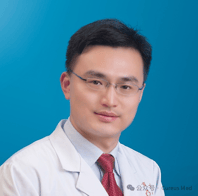 Dr. Guangbin Chen: Associate Chief Physician, Associate Professor, and Master's Supervisor, member of the Communist Party of China; member of the Youth Council of the Chinese Anti-Cancer Association; expert reviewer of the Academic Degrees Center of the Ministry of Education; expert reviewer of projects of the Anhui Provincial Department of Science and Technology; expert reviewer of science and technology of the Guangdong Provincial Department of Science and Technology; member of the Anhui Provincial Evidence-Based Hepatobiliary Surgery Society; member of the Wuhu Medical Association Council; member and secretary of the Wuhu Surgical Society; selected for the Wuhu Health System Outstanding Talent Project.
He serves as a peer reviewer for the World Journal of Gastroenterology, BMC Gastroenterology, and Cureus Journal of Medical Science; a corresponding editor for the Chinese Journal of Clinical Physicians; a young and middle-aged editor for the Chinese Journal of General Surgery; and a reviewer for the International Journal of Surgery and Anhui Medical Journal.
He has been engaged in clinical, teaching, and research work in hepatobiliary and pancreatic surgery. As the first author and corresponding author, he has published more than 40 papers in high-quality academic journals at home and abroad, including the World Journal of Gastroenterology, Asian Journal of Surgery, Surgical Endoscopy, World Journal of Gastrointestinal Surgery, Frontiers in Surgery, Cureus, Chinese Medical Journal, Chinese Journal of General Surgery, and Chinese Journal of Practical Surgery. Among them, 21 papers are SCIE and ESCI indexed, and 16 papers are in journals of the Chinese Medical Association. Many of his papers have been selected as “high PCSI papers,” “highly cited papers,” and “highly downloaded papers” in the CNKI Academic Essentials Database. He has completed 20 provincial, municipal, and hospital-level scientific research projects and three new technology projects as the first or second principal investigator. He has also been responsible for the second and fourth batches of Anhui Province's health and wellness appropriate technology promotion projects. He has won the third prize in the Anhui Provincial General Surgery Laparoscopic Skills Competition, the second prize in the Wuhu Municipal Staff Technological Innovation Competition, the title of “Outstanding Member” of the Wuhu Medical Association, the “Medical Technology Award” of the Affiliated Hospital of Huazhong Normal University (Wuhu Second Hospital), and has been named one of the “Top Ten Doctors,” “Top Ten Teachers,” “Top Ten Scientific Researchers,” “Top Ten Medical Team Members,” and “Outstanding Residency Training Mentor.”
Specialties: gallstones, liver, gallbladder, pancreas and spleen tumors, hernias, and minimally invasive laparoscopic treatment.
.png)

.png)
Join the discussion
Add your email, first name, and last name to leave a comment.